Weights
The week you make weight is not a personality
Cutting is tactics and a health question. A preview that romanticises it is doing a different job.
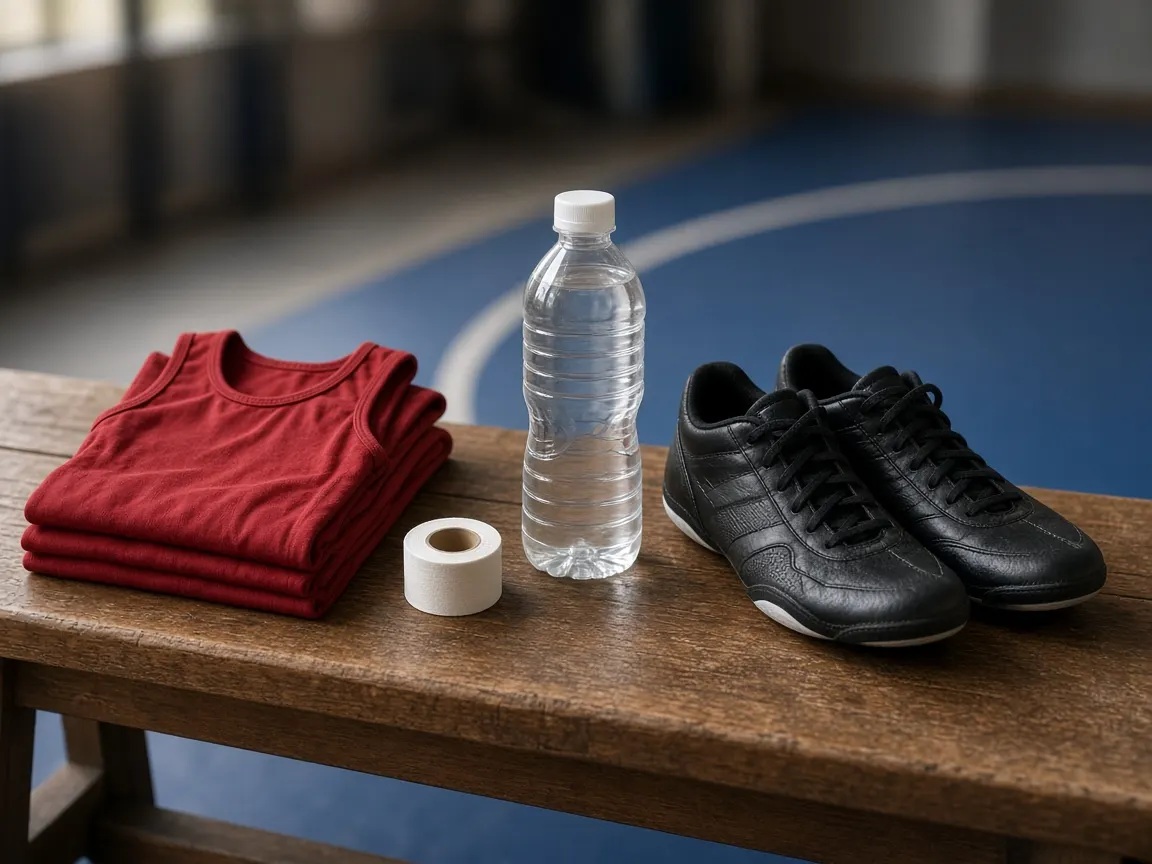
Every autumn someone writes the weight cut as myth. The plastic suit. The dark room. The number on the scale that proves commitment. It reads well and it explains very little about the bout that follows, except when the athlete who made weight cannot wrestle the second period.
Moving weight is tactics. A crowded Olympic class pushes people toward a neighbouring world-championship kilogram, or the other way when a place is available. The map of classes is the boring document that makes those choices legible. Six Olympic weights per discipline. More at a worlds. An athlete is 'at 74' for the tournament they entered, not as a permanent identity.
National teams handle the cut in their own ways, and they should. This desk does not publish diets, sauna schedules, or anything that looks like instructions. We will say when a weight choice explains a bracket. We will not dress dehydration up as character.
There is a viewer's version. If a favourite looks flat in the first minute, do not invent a medical chart from the stands. Do notice whether the shot has its usual finish. Fatigue from a cut and fatigue from a hard semi look similar and are not the same fact. Only one of them belongs in a sentence we can check.
What we will print
A sentence like 'she moved up to find a clearer Olympic path' can be true, and it can be checked against the entry list. A sentence like 'he looked drained, so the cut must have been brutal' is a guess wearing a reporter's coat. We will use the first kind. The second kind flatters the writer and tells the reader nothing they could verify.
There is also the athlete who does not cut much at all, and then gets described as if that were a lack of seriousness. It might be a choice about January, or about a knee, or about a coach who has buried too many good weeks in a bad scale. None of that is visible from the handshake. Treat a weight class as the bracket in front of you. The Olympic page explains why some of those brackets exist and others, real world-title brackets, do not.
If a national federation publishes a weight, we can report the weight. If an athlete misses it, that is a result. Everything between the announcement and the scale is their business until it changes the match we can see.